Thought leadership podcast
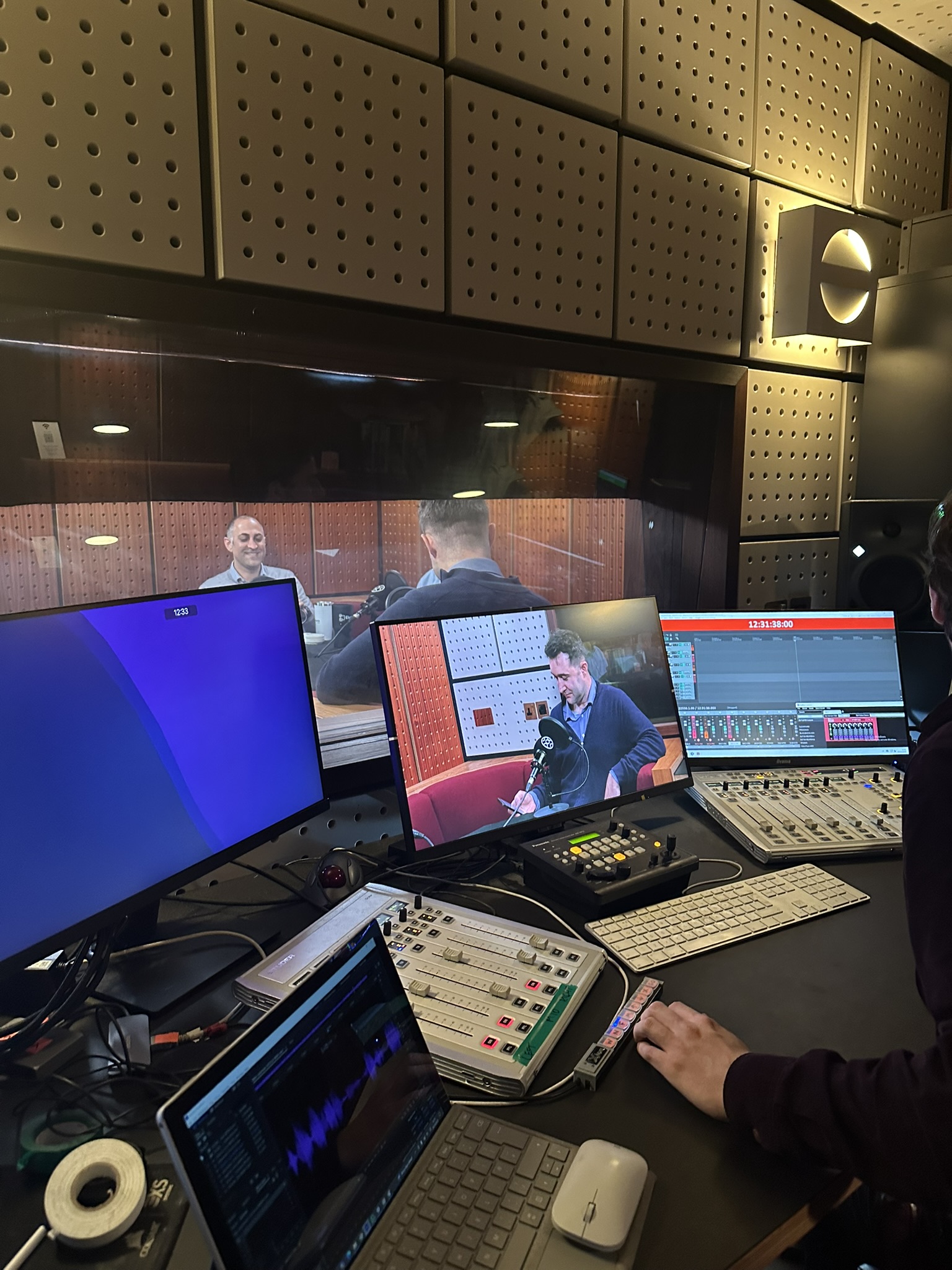
On the surface, a thought leadership episode of our Agents of Change podcast. Underneath, a launch: I designed the session so two of the most respected voices in the Salesforce ecosystem would react to our new low-friction pricing live, and make the case for it in their own words.
The challenge
We were introducing a low-friction entry price, a deliberate move for a product the ecosystem had long seen as enterprise-only. A vendor announcing its own affordability convinces nobody. The shift had to land credibly, and ideally ripple through the community rather than read as marketing.
My approach
I built an episode of our podcast around it and cast it with intent: two senior architects who are also London user-group leaders, from PwC and Capgemini. Credible enough to be believed, connected enough to carry the message into their networks. I wrote the full narrative arc, from the strategic cost of org complexity, through documentation as a competitive advantage, to the new accessible model, and designed the questions so the guests reached the value themselves rather than being handed it. I briefed the host, scripted the intro and outro, wrote provocative prompts engineered to cut into short social clips, and sourced the venue. The whole thing was built to earn a reaction that felt like two respected peers sharing a useful tool, not a vendor pitch.
What I made
A special on-the-road edition of the Agents of Change podcast: the narrative arc, the full question set mapped to each storybeat, guest casting and briefs, host intro and outro scripts, and a bank of soundbite prompts designed for social clips. Guests were Sam Wadhwani, Chief Technical Architect at PwC, and Matt Morris, Salesforce CTO at Capgemini UK, both London user-group leaders.
Outcome
The design did the hard part: it put the case for the new model in the mouths of two people the ecosystem already trusts, framed as peers sharing a practical tool rather than a vendor making a claim. That is the most credible way a pricing shift can land, and the hardest kind of endorsement to manufacture. Their networks carried it outward from there.